top of page

All Posts

Human resources legislation in Malaysia is important for maintaining a fair and balanced relationship between employers and employees. The legal framework is designed to protect workers' rights while ensuring that businesses operate efficiently and ethically. Below is an overview of key laws that govern HR practices in Malaysia:


Employment Act 1955 (EA 1955)
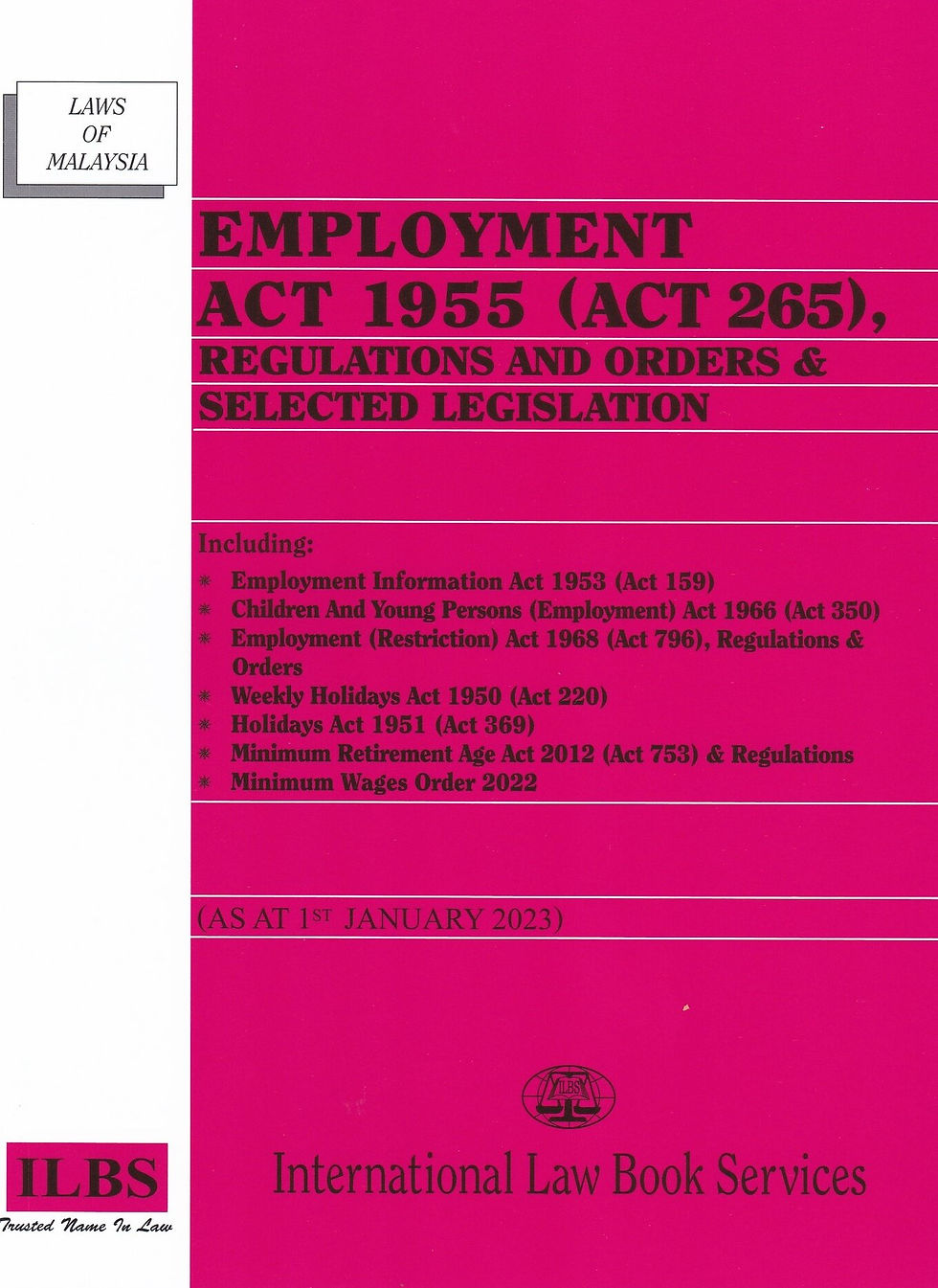
The Employment Act 1955 in Malaysia strictly applies to employees earning RM4,000 or less per month and those engaged in manual labour.


For employees earning more than RM4,000 monthly, the Act does not directly apply, but companies are still expected to ensure fairness and adhere to broader labour principles through employment contracts and general legal frameworks. The primary difference lies in the level of statutory protection: lower-income employees are covered by detailed provisions of the Act, while higher-income employees depend on contractual terms.


These are some common Acts:

  • Employment Contracts: Defines terms, conditions, and obligations of both parties.

    Section 10(1):

    To requires that contracts of service exceeding one month's duration be in writing and include provisions for termination by either party.

    Section 7:

    States that any term in a contract of service less favourable than the provisions of the Act is void and the more favourable provisions will apply.


  • Wages and Working Hours: Regulates minimum wage, overtime, and working hours.

    Section 60A:

    Regulates working hours, rest days, and overtime.

    Section 60D:

    Specifies paid holidays and the conditions for work on such days.


  • Leave Entitlements: Includes annual, maternity, and sick leave provisions.

    Section 60E: 

    Details the entitlement to annual leave based on the length of service.

    Section 60F:

    Outlines sick leave entitlements and conditions under which they apply.


  • Termination and Layoffs: Establishes guidelines for fair dismissal and compensation.

    Section 14: 

    Provides guidelines for termination of employment due to misconduct, including the requirement for due inquiry.


  • New Guidelines on the Employment of Foreign Workers 2023

    Section 60K (1):

    An employer may not employ a foreign employee unless prior approval has been obtained from the Director General of Labor.


**This act will be periodically revised. Each book shows the latest update date. For reference, please use the most recent version.


Industrial Relations Act 1967 (IRA 1967)

This act governs the relationship between employers and employees, focusing on:

  • Dispute Resolution: Provides mechanisms for resolving disputes, including mediation and industrial courts.

  • Collective Bargaining: Outlines the rights and processes for unions to negotiate terms on behalf of workers.

  • Trade Union Regulations: Ensures fair practices in union formation and operation.


Minimum Wages Order 2022

Mandates a minimum wage to ensure employees earn a living wage. As of the latest update, the minimum wage is RM1,500 per month for all workers.


Occupational Safety and Health Act 1994 (OSHA 1994)

OSHA emphasizes workplace safety and employee welfare by:

  • Employer Responsibilities: Ensuring a safe working environment and adequate training.

  • Employee Duties: Following safety protocols and reporting hazards.

  • Enforcement: Provides penalties for non-compliance.


Employees’ Provident Fund Act 1991 (EPF Act)

The EPF Act mandates retirement savings contributions by both employers and employees. Key provisions include:

  • Contribution Rates: Specifies minimum percentages of salary to be contributed.

  • Withdrawal Rules: Outlines conditions for withdrawal, such as retirement or emergencies.


Employees’ Social Security Act 1969 (SOCSO Act)

This act provides social security protections, including:

  • Injury and Invalidity Benefits: Compensation for workplace injuries or disabilities.

  • Employer Obligations: Mandatory contributions for eligible employees.


Personal Data Protection Act 2010 (PDPA 2010)
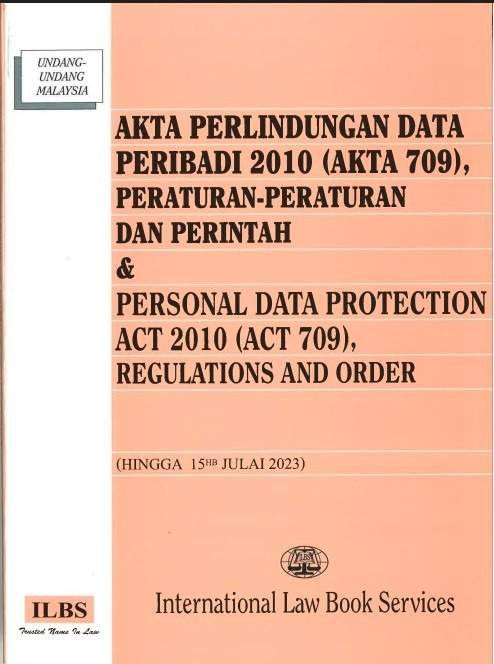
The PDPA regulates the handling of employee data by employers, ensuring:

  • Consent: Employees must agree to the collection and use of their personal data.

  • Security: Employers must protect data from unauthorized access or breaches.


Workers’ Minimum Standards of Housing, Accommodation and Amenities Act 1990 (Act 446)

The Minister of Human Resources emphasized the importance of implementing and adhering to Act 446 in line with the standards of the International Labour Organisation (ILO), ensuring that both local and foreign workers receive basic accommodations that are conducive in various aspects. Failure to comply will result in an RM5000 fine for the employer. application of acts to all sectors of occupations & regions; employee’s welfare, occupational safety & health as well as compliance with international standards.


Implications for HR Practices

Compliance with these laws is critical for organizations to avoid legal penalties and maintain a positive reputation. Key practices include:

  • Regular Training: Educating HR teams and managers on legal requirements.

  • Policy Updates: Ensuring company policies align with current legislation.

  • Documentation: Maintaining accurate records of employment contracts, payroll, and workplace incidents.


Conclusion

Understanding and adhering to Malaysian HR legislation is vital for fostering a compliant and ethical workplace. By staying informed about legal developments and implementing best practices, businesses can protect both their employees and their organizational interests.



Job hopping means changing jobs more often than what people usually expect. Some see it as a great way to grow and learn quickly, while some think it shows a lack of commitment. The truth is, that job hopping has both positive and negative sides. Understanding why people change jobs and how it can affect their careers. There are many reasons why people change jobs, such as:


  • They want better opportunities to learn and grow.

  • Their current company doesn’t support career advancement.

  • They feel overworked and underappreciated in their role.

  • They are exploring different fields to find their passion.

  • They want higher salaries or better benefits.

  • They are unhappy with their current work environment.

  • Finding the right balance between work and well-being.


Job hopping isn’t always good or bad. It depends on the reasons behind the changes and how it helps your career. If you change jobs to learn and grow, it can be a positive move. But if it happens without a clear plan, it might create challenges later.


Let's dive into the good and bad side of job hopping phenomenon.


The Positive Side of Job Hopping

Learning More, Faster

For people who are just starting their careers, job hopping can be a smart way to gain experience quickly. Each new job allows them to learn something different, whether it’s a new skill, industry knowledge, or how different companies operate. This kind of variety can help them figure out what they’re good at and what they enjoy, building a strong foundation for their future career.


Better Opportunities

In some cases, job hopping is necessary because the current workplace does not offer much room for growth. There are no clear paths for promotions or new challenges, staying there too long could limit a person’s learning and development. By switching jobs, one can find better roles that match their ambitions and help them grow.


Focus on One Role

Small companies, especially, can sometimes hold employees back. They were asked one person to handle many tasks to save costs. While this might offer a broad range of experience, it can also make it hard for employees to focus and excel in their main areas of expertise. Switching to a company that values specialization can help you excel in what you do best and improve your skills.

Higher Positions and Salaries

In certain sectors with limited higher-level roles, employees might remain in the same position for an extended period. For example, in the retail industry, there are few available positions in the market. Salary increases are minimal, and progress will slow down a person's aspirations. Switching jobs can serve as a means to achieve quicker career advancement and higher salaries. This approach is particularly attractive to those who wish to continuously challenge themselves and attain new milestones, as job hopping can facilitate faster career advancement and increased earnings.


Finding Your Passion

Many people are unsure of what they truly want or are good at when they start working. They try different jobs to figure out which industries suit them and job hopping can help them discover their passion and strengths. Changing jobs gives them a chance to explore different industries, fields and roles until they find the right fit. For others, job hopping might happen because they discover their passion but face challenges like a toxic work environment, prompting them to leave and search for a better workplace.


The Challenges of Job Hopping

One major concern is how it looks to employers. When someone changes jobs too often, it might raise red flags about their reliability. Employers could worry that the person won’t stay long enough to make meaningful contributions to their company. Employer will not trust their ability in the position they are going to offer. Questions such as why did this individual leave their former company? Whatever challenges appear, they can be mitigated:


The Negative Side of Job Hopping

Shallow Experience

Too often job hopping will lead to shallow experience. When people don’t stay in one role for long, they might miss the chance to master specific skills or understand a job deeply. Over time, this lack of expertise could hurt their career prospects, especially if they aim for senior roles that require a strong background in a particular area.

Solution: Remain in a single job for a minimum of 2 years, regardless of your feelings about it. This approach tests your patience and allows you to gain more knowledge.


Workplace Issues

Some people leave jobs because of their issues with their previous workplace, such as poor management or conflicts with coworkers. While it’s important to prioritize a healthy work environment, frequent job changes might make it hard for someone to adapt to new work cultures. Employers might also question whether the person can handle challenges or work through difficulties.

Solution: Workplace issues exist in every organization. Regardless of changing jobs, these issues persist. The key is to adapt to the environment; you can't change it, but personally you can change yourself by avoiding involvement in matters like office politics and finding ways to address issues. There are numerous strategies to do so. In my view, workplace challenges are opportunities for personal growth and maturity.


Lack of Career Direction

Job hopping without a clear plan can create problems. If someone keeps changing jobs without knowing what they want, their career might appear scattered and unfocused. This could make it harder for them to achieve stability or convince future employers of their long-term goals.

Solution: If you're considering switching jobs, seek advice from a few people who are more experienced. Make a list of the advantages offered by both companies, new and old and compare them. If the new company offers greater benefits, then make the move; otherwise, stay put.


Conclusion

Whether job hopping is good or bad for your career depends on how you approach it. If you make strategic decisions and explain your career changes clearly to potential employers, job hopping can lead to exciting opportunities and growth. At the same time, finding balance and staying long enough in a role to build expertise is crucial for long-term success. However, staying in one place long enough to gain experience and prove your commitment is also important.


Small habits, whether positive or negative, are developed at home, and many of us bring these into our professional lives. Are you aware of which of these seemingly insignificant habits might impact your career? Take laziness, for instance. At home, you might avoid washing your dishes because someone else, like your mother or the housekeeper, does it for you. However, in a work environment, you are paid to perform your duties, which includes taking responsibility for your tasks, such as cleaning up your plate after eating at the pantry. If you exhibit the same behaviour at work like at home, it could be seen as disrespectful to others, and you might receive warnings, as there are established rules and regulations set by management that must be followed. Practising positive habits such as integrity and honesty will earn you the trust of both management and your colleagues.


Here are some small habits that have had a lasting impact on my professional journey:


Starting the Day with a Plan

Each morning, take a few minutes to outline the top priorities for the day. This practice helps you stay focused and ensures you address the most crucial tasks before distractions arise. It’s amazing how clarity and productivity increase just by simply understanding what needs to be completed.


Practicing Active Listening

In meetings or one-on-one conversations, make it a habit to truly listen. Active listening isn’t just about hearing words, it is about understanding the speaker’s intentions, emotions, and needs. This practice will help you build stronger relationships and make better decisions.


Dare to Inquire and Gather Knowledge

Constructive feedback is vital for career growth. Seeking advice from colleagues, mentors, or supervisors offers invaluable insights beyond formal education. Engaging with experienced individuals provides professional guidance, helping navigate workplace dynamics and industry challenges. Discussing work issues with peers enhances teamwork and fosters a healthy workplace culture.


Mentors or Supervisors play a strategic role in career development, offering long-term guidance and support based on their experience. They help identify strengths and weaknesses, provide constructive feedback, assist in setting realistic career goals, and develop a roadmap to achieve them, highlighting potential pitfalls and opportunities.


Seeking advice fosters continuous learning and adaptability in a changing job market, keeping professionals informed about industry trends, best practices, and emerging technologies, thus enhancing their skills, employability, and confidence in decision-making.


Maintaining a Learning Mindset

Make it a habit to dedicate time each week to reading articles from the internet or books, watching informative tutorials relating to your profession, or exploring something new concept. This consistent practice will not only enhance your expertise but also ensure that you remain adaptable and well-prepared for the constantly evolving demands of your field. By immersing yourself in a variety of topics, you will cultivate a broader perspective that can lead to innovative thinking and problem-solving skills. Additionally, it is essential to be mindful of the information you consume; therefore, make a conscious effort to avoid negative news that can drain your motivation and hinder your progress. Instead, seek out positive and constructive content that inspires you and fuels your desire to learn and grow.


Keeping a Notebook

A simple habit of keeping a notebook to jot down all information, as writing helps keep our minds engaged, and active, helps in remembering things, keeps information for future reference, recalls important details, and keeps ourselves organized most of the time.


Setting Boundaries and Saying ‘No’

Learn to say no and set boundaries to tasks or commitments that do not align with your goals. Although it sounds like a simple habit it makes a big difference where you will be able to stay focused on what matters to achieve your success especially when this is related to time. Avoid wasting time on unnecessary activities. Time is invaluable, and opportunities will just slip away in an instant if you don't grab it. Thus, say NO to activities that do not offer benefits. However, you can plan for a time break to recharge! Or fix a time to go for exercise for better health.


Taking Breaks to Recharge

Burnout due to work is a genuine and serious issue that can significantly impact your life in the long run, affecting your overall professional performance and well-being. Working hard is good for your performance but once you burn out, the organisation is not going to compensate your health or say thank you to your afford. Always recognize the signs of burnout earlier on, such as feeling chronic stress, anxiety, and even physical health problems. Regularly take short breaks from work, which helps you to come back feeling refreshed and more productive. Or as simple as stepping away from your desk for a few minutes, engaging in a brief walk, practising deep breathing exercises, or even enjoying a healthy snack. Incorporating these brief pauses will enhance your productivity contribute to a healthier work-life balance, and maintain a more positive outlook on your job and life overall.


Enhancing Professional Growth Through Meaningful Networking and Positive Workplace Connections

Remember that connecting with others is important for both personal and professional growth but with limitations by choosing the right network. For instance, a quick check-in with a colleague can serve as a powerful tool for fostering relationships and could involve a simple coffee break where you discuss ongoing projects, share insights, or even exchange ideas. Such interactions not only strengthen your bond with your peers but also promote an atmosphere of teamwork and support within the workplace.

While nurturing connections, avoid creating office politics, which can stem from competition, favouritism, or gossip. Focus on fostering a positive, inclusive environment prioritizing collaboration. Encourage open communication and build relationships on mutual respect and trust to enhance individual growth and workplace culture. Select the right networking opportunities, engage meaningfully with colleagues, prioritize positive interactions and avoid office politics to maximize networking benefits.


Celebrating Small Wins

We often celebrate the successes of others, but have you ever celebrated or thanked yourself for your achievements? This is something many people overlook. The closest person to you is yourself, yet we often neglect and take ourselves for granted. By celebrating small victories and expressing gratitude to yourself after finishing a challenging project, acquiring a new skill, or assisting a colleague at work, you can stay motivated and recognize the importance of your efforts.


Staying Organize

Maintaining a tidy workspace and digital files may appear minor, but it has significantly impacted me. Being organized allows me to locate what I need swiftly and prevents me from feeling overwhelmed by clutter.


These small habits might not seem transformative on their own, but together, they have helped me build myself and my career I’m proud of. If you’re looking to grow professionally, I encourage you to start with just one or two habits from this list. Sometimes, the smallest changes yield the biggest results.


What are the small habits that have made a difference in your career?

Or if you haven't, start giving a thought now by starting a simple one.

I’d love to hear your thoughts!


© 2023 by Suzie HR Consult. All rights reserved.

bottom of page