


Understanding the Malaysian Employment Act: A Guide for Employers and Employees
- Cikgu HR

- Dec 31, 2024
- 3 min read
Updated: Jan 6, 2025
Human resources legislation in Malaysia is important for maintaining a fair and balanced relationship between employers and employees. The legal framework is designed to protect workers' rights while ensuring that businesses operate efficiently and ethically. Below is an overview of key laws that govern HR practices in Malaysia:
Employment Act 1955 (EA 1955)
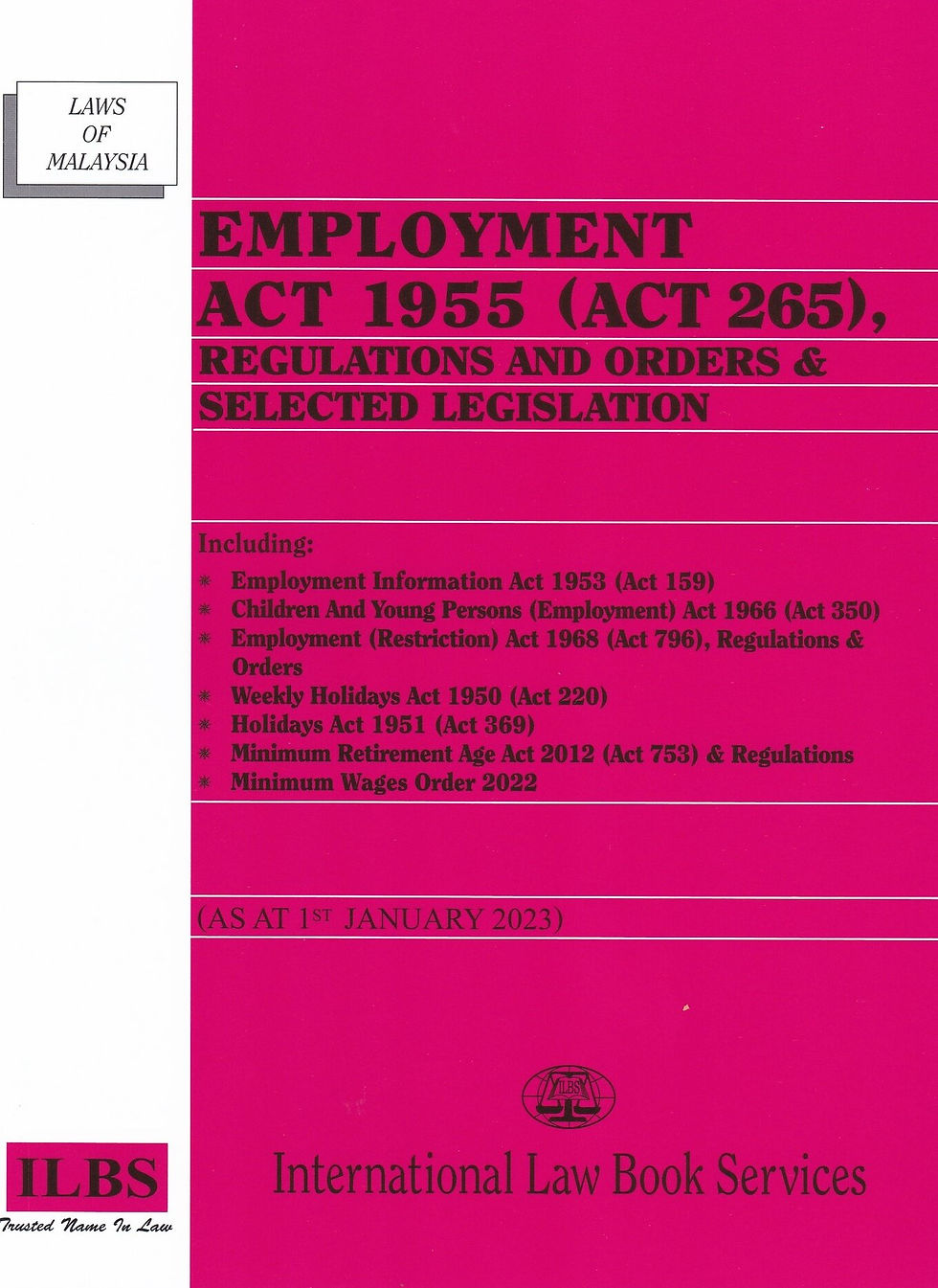
The Employment Act 1955 in Malaysia strictly applies to employees earning RM4,000 or less per month and those engaged in manual labour.
For employees earning more than RM4,000 monthly, the Act does not directly apply, but companies are still expected to ensure fairness and adhere to broader labour principles through employment contracts and general legal frameworks. The primary difference lies in the level of statutory protection: lower-income employees are covered by detailed provisions of the Act, while higher-income employees depend on contractual terms.
These are some common Acts:
Employment Contracts: Defines terms, conditions, and obligations of both parties.
Section 10(1):
To requires that contracts of service exceeding one month's duration be in writing and include provisions for termination by either party.
Section 7:
States that any term in a contract of service less favourable than the provisions of the Act is void and the more favourable provisions will apply.
Wages and Working Hours: Regulates minimum wage, overtime, and working hours.
Section 60A:
Regulates working hours, rest days, and overtime.
Section 60D:
Specifies paid holidays and the conditions for work on such days.
Leave Entitlements: Includes annual, maternity, and sick leave provisions.
Section 60E:
Details the entitlement to annual leave based on the length of service.
Section 60F:
Outlines sick leave entitlements and conditions under which they apply.
Termination and Layoffs: Establishes guidelines for fair dismissal and compensation.
Section 14:
Provides guidelines for termination of employment due to misconduct, including the requirement for due inquiry.
New Guidelines on the Employment of Foreign Workers 2023
Section 60K (1):
An employer may not employ a foreign employee unless prior approval has been obtained from the Director General of Labor.
**This act will be periodically revised. Each book shows the latest update date. For reference, please use the most recent version.
Industrial Relations Act 1967 (IRA 1967)
This act governs the relationship between employers and employees, focusing on:
Dispute Resolution: Provides mechanisms for resolving disputes, including mediation and industrial courts.
Collective Bargaining: Outlines the rights and processes for unions to negotiate terms on behalf of workers.
Trade Union Regulations: Ensures fair practices in union formation and operation.
Minimum Wages Order 2022

Mandates a minimum wage to ensure employees earn a living wage. As of the latest update, the minimum wage is RM1,500 per month for all workers.
Occupational Safety and Health Act 1994 (OSHA 1994)
OSHA emphasizes workplace safety and employee welfare by:
Employer Responsibilities: Ensuring a safe working environment and adequate training.
Employee Duties: Following safety protocols and reporting hazards.
Enforcement: Provides penalties for non-compliance.
Employees’ Provident Fund Act 1991 (EPF Act)
The EPF Act mandates retirement savings contributions by both employers and employees. Key provisions include:
Contribution Rates: Specifies minimum percentages of salary to be contributed.
Withdrawal Rules: Outlines conditions for withdrawal, such as retirement or emergencies.
Employees’ Social Security Act 1969 (SOCSO Act)

This act provides social security protections, including:
Injury and Invalidity Benefits: Compensation for workplace injuries or disabilities.
Employer Obligations: Mandatory contributions for eligible employees.
Personal Data Protection Act 2010 (PDPA 2010)
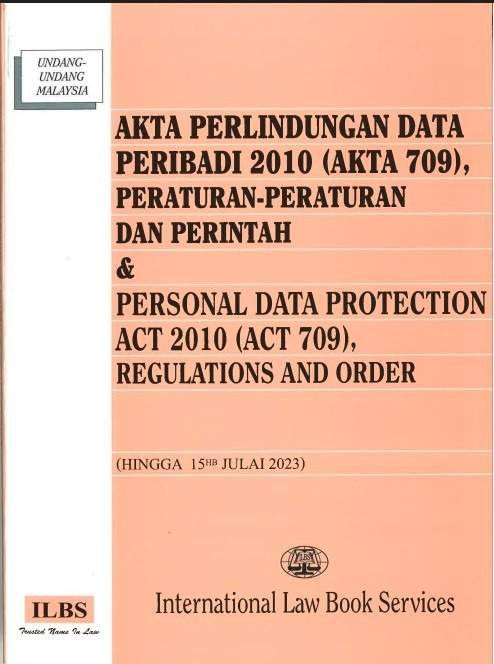
The PDPA regulates the handling of employee data by employers, ensuring:
Consent: Employees must agree to the collection and use of their personal data.
Security: Employers must protect data from unauthorized access or breaches.
Workers’ Minimum Standards of Housing, Accommodation and Amenities Act 1990 (Act 446)
The Minister of Human Resources emphasized the importance of implementing and adhering to Act 446 in line with the standards of the International Labour Organisation (ILO), ensuring that both local and foreign workers receive basic accommodations that are conducive in various aspects. Failure to comply will result in an RM5000 fine for the employer. application of acts to all sectors of occupations & regions; employee’s welfare, occupational safety & health as well as compliance with international standards.
Implications for HR Practices
Compliance with these laws is critical for organizations to avoid legal penalties and maintain a positive reputation. Key practices include:
Regular Training: Educating HR teams and managers on legal requirements.
Policy Updates: Ensuring company policies align with current legislation.
Documentation: Maintaining accurate records of employment contracts, payroll, and workplace incidents.
Conclusion
Understanding and adhering to Malaysian HR legislation is vital for fostering a compliant and ethical workplace. By staying informed about legal developments and implementing best practices, businesses can protect both their employees and their organizational interests.



Comments