


Small Habits That Turned Into Career
- Cikgu HR

- Dec 29, 2024
- 5 min read
Small habits, whether positive or negative, are developed at home, and many of us bring these into our professional lives. Are you aware of which of these seemingly insignificant habits might impact your career? Take laziness, for instance. At home, you might avoid washing your dishes because someone else, like your mother or the housekeeper, does it for you. However, in a work environment, you are paid to perform your duties, which includes taking responsibility for your tasks, such as cleaning up your plate after eating at the pantry. If you exhibit the same behaviour at work like at home, it could be seen as disrespectful to others, and you might receive warnings, as there are established rules and regulations set by management that must be followed. Practising positive habits such as integrity and honesty will earn you the trust of both management and your colleagues.
Here are some small habits that have had a lasting impact on my professional journey:
Starting the Day with a Plan

Each morning, take a few minutes to outline the top priorities for the day. This practice helps you stay focused and ensures you address the most crucial tasks before distractions arise. It’s amazing how clarity and productivity increase just by simply understanding what needs to be completed.
Practicing Active Listening
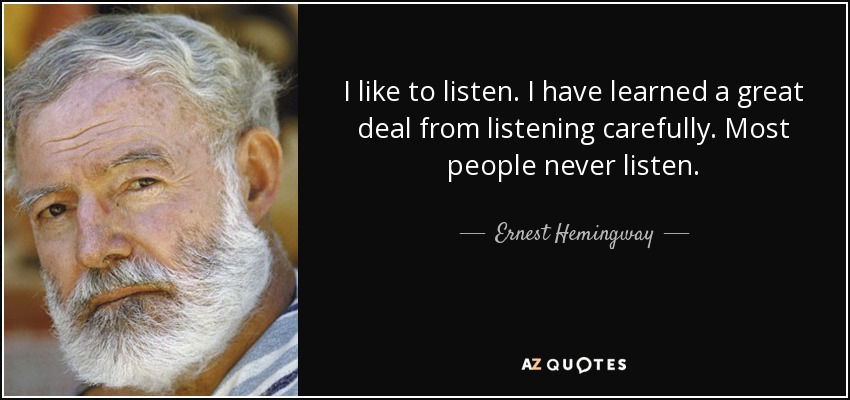
In meetings or one-on-one conversations, make it a habit to truly listen. Active listening isn’t just about hearing words, it is about understanding the speaker’s intentions, emotions, and needs. This practice will help you build stronger relationships and make better decisions.
Dare to Inquire and Gather Knowledge
Constructive feedback is vital for career growth. Seeking advice from colleagues, mentors, or supervisors offers invaluable insights beyond formal education. Engaging with experienced individuals provides professional guidance, helping navigate workplace dynamics and industry challenges. Discussing work issues with peers enhances teamwork and fosters a healthy workplace culture.
Mentors or Supervisors play a strategic role in career development, offering long-term guidance and support based on their experience. They help identify strengths and weaknesses, provide constructive feedback, assist in setting realistic career goals, and develop a roadmap to achieve them, highlighting potential pitfalls and opportunities.
Seeking advice fosters continuous learning and adaptability in a changing job market, keeping professionals informed about industry trends, best practices, and emerging technologies, thus enhancing their skills, employability, and confidence in decision-making.
Maintaining a Learning Mindset

Make it a habit to dedicate time each week to reading articles from the internet or books, watching informative tutorials relating to your profession, or exploring something new concept. This consistent practice will not only enhance your expertise but also ensure that you remain adaptable and well-prepared for the constantly evolving demands of your field. By immersing yourself in a variety of topics, you will cultivate a broader perspective that can lead to innovative thinking and problem-solving skills. Additionally, it is essential to be mindful of the information you consume; therefore, make a conscious effort to avoid negative news that can drain your motivation and hinder your progress. Instead, seek out positive and constructive content that inspires you and fuels your desire to learn and grow.
Keeping a Notebook

A simple habit of keeping a notebook to jot down all information, as writing helps keep our minds engaged, and active, helps in remembering things, keeps information for future reference, recalls important details, and keeps ourselves organized most of the time.
Setting Boundaries and Saying ‘No’

Learn to say no and set boundaries to tasks or commitments that do not align with your goals. Although it sounds like a simple habit it makes a big difference where you will be able to stay focused on what matters to achieve your success especially when this is related to time. Avoid wasting time on unnecessary activities. Time is invaluable, and opportunities will just slip away in an instant if you don't grab it. Thus, say NO to activities that do not offer benefits. However, you can plan for a time break to recharge! Or fix a time to go for exercise for better health.
Taking Breaks to Recharge

Burnout due to work is a genuine and serious issue that can significantly impact your life in the long run, affecting your overall professional performance and well-being. Working hard is good for your performance but once you burn out, the organisation is not going to compensate your health or say thank you to your afford. Always recognize the signs of burnout earlier on, such as feeling chronic stress, anxiety, and even physical health problems. Regularly take short breaks from work, which helps you to come back feeling refreshed and more productive. Or as simple as stepping away from your desk for a few minutes, engaging in a brief walk, practising deep breathing exercises, or even enjoying a healthy snack. Incorporating these brief pauses will enhance your productivity contribute to a healthier work-life balance, and maintain a more positive outlook on your job and life overall.
Enhancing Professional Growth Through Meaningful Networking and Positive Workplace Connections
Remember that connecting with others is important for both personal and professional growth but with limitations by choosing the right network. For instance, a quick check-in with a colleague can serve as a powerful tool for fostering relationships and could involve a simple coffee break where you discuss ongoing projects, share insights, or even exchange ideas. Such interactions not only strengthen your bond with your peers but also promote an atmosphere of teamwork and support within the workplace.

While nurturing connections, avoid creating office politics, which can stem from competition, favouritism, or gossip. Focus on fostering a positive, inclusive environment prioritizing collaboration. Encourage open communication and build relationships on mutual respect and trust to enhance individual growth and workplace culture. Select the right networking opportunities, engage meaningfully with colleagues, prioritize positive interactions and avoid office politics to maximize networking benefits.
Celebrating Small Wins

We often celebrate the successes of others, but have you ever celebrated or thanked yourself for your achievements? This is something many people overlook. The closest person to you is yourself, yet we often neglect and take ourselves for granted. By celebrating small victories and expressing gratitude to yourself after finishing a challenging project, acquiring a new skill, or assisting a colleague at work, you can stay motivated and recognize the importance of your efforts.
Staying Organize

Maintaining a tidy workspace and digital files may appear minor, but it has significantly impacted me. Being organized allows me to locate what I need swiftly and prevents me from feeling overwhelmed by clutter.
These small habits might not seem transformative on their own, but together, they have helped me build myself and my career I’m proud of. If you’re looking to grow professionally, I encourage you to start with just one or two habits from this list. Sometimes, the smallest changes yield the biggest results.
What are the small habits that have made a difference in your career?
Or if you haven't, start giving a thought now by starting a simple one.
I’d love to hear your thoughts!


Comments